COSTAdapta

Categories
News

Rising sea levels at the heart of the COP 28 debate

  • The most vulnerable territories have insisted on the need to keep global temperature rise below 1.5 degrees Celsius
  • LIFE COSTAdapta is a project that aims to protect coasts from rising sea levels

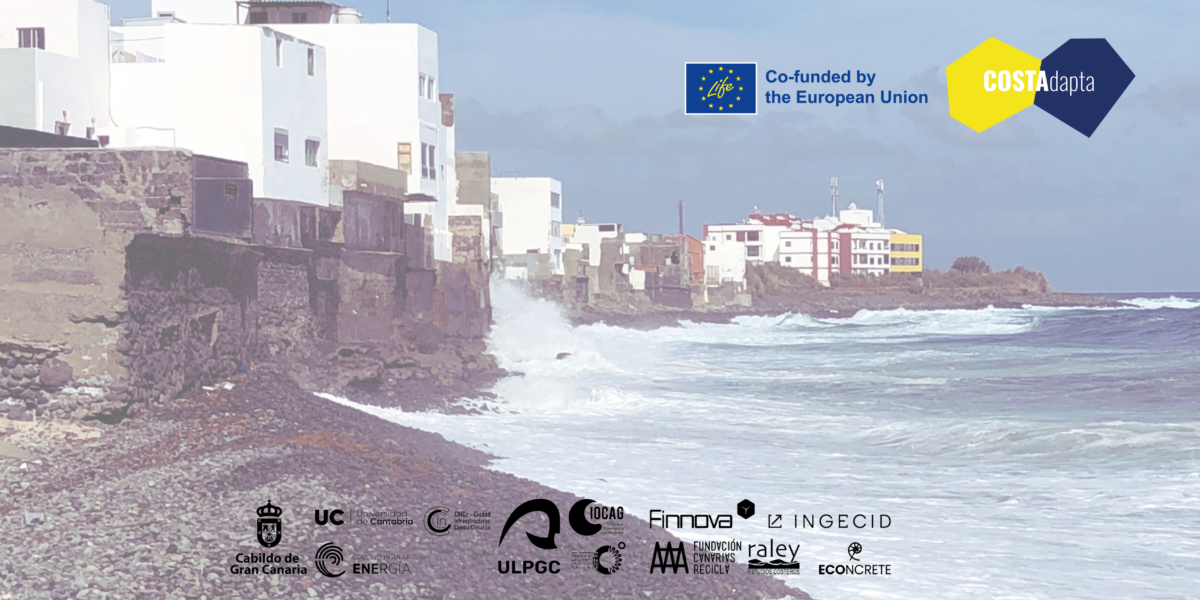
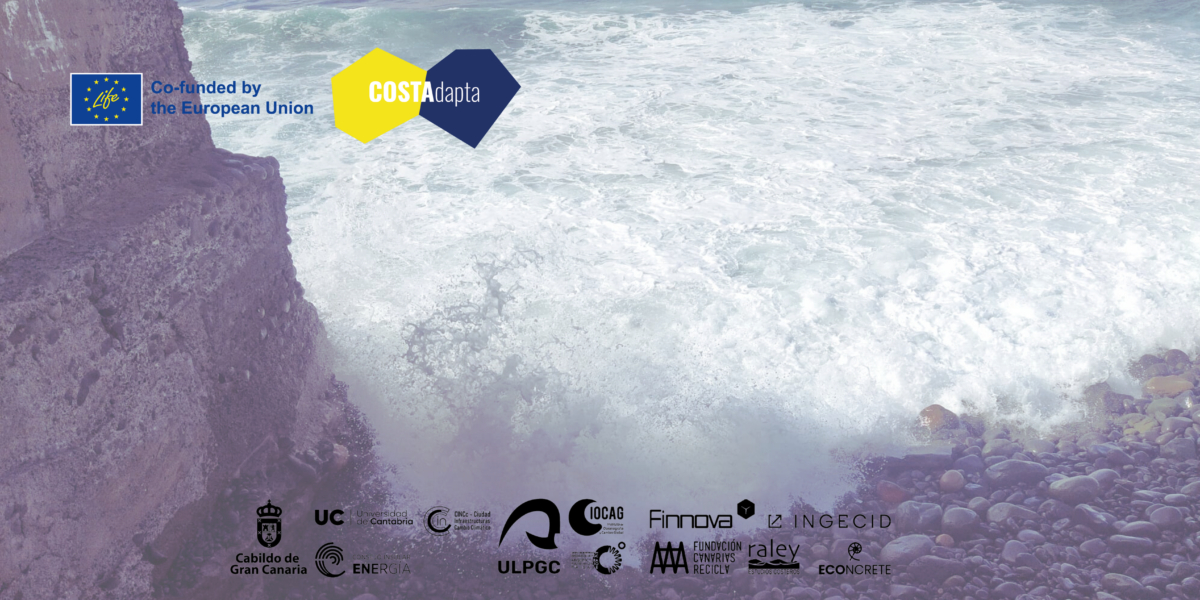
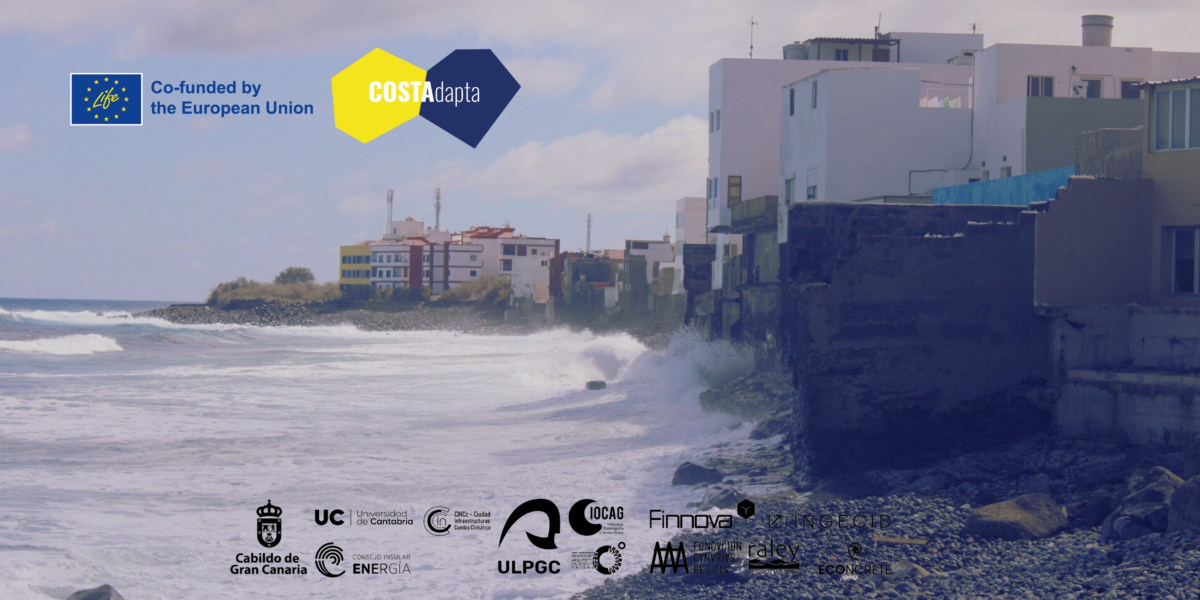
Brussels, 15 December 2023. The United Nations Conference on Climate Change held in Dubai (also known as COP 28), closed last Tuesday, December 12, with a warning message from the countries most vulnerable to climate change about its eventual disappearance. The constant rise in sea level is the main threat to island territories such as Tuvalu, Kiribati or the Fiji Islands, states that have hardly any altitude and for which the fight against climate change is at the top of the agenda. A problem that the European project LIFE COSTAdapta aims to tackle by addressing the adaptation of the coast of Gran Canaria to sea level rise.

The Alliance of Small Island States (AOSIS) has exposed once again at this last COP the imperative need to keep the rise in global average temperature below 1.5 degrees. This body, which brings together 39 territories particularly vulnerable to climate change, warns that they are already suffering with the current level of warming, and that losses and damages will increase with each increase in temperature.  “For our islands, there can be no alternative. This is our red line,” they point out.

In addition, AOSIS also issued a statement criticizing some aspects of the final agreement of this COP 28. The organization regrets that no commitment was made to reach peak emissions in 2025. AOSIS refers to the lack of attention being given to scientific rigor in this aspect, by not taking the relevant measures in order to act in line with what science says should be done.

The LIFE COSTAdapta project, which was present at COP 28, aims to show the problems that sea level rise can cause if we do not act in time in this regard. Precisely, it is in line with the main objective of the LIFE COSTAdapta project, to address the adaptation of the coast of Gran Canaria to sea level rise. 

About LIFE COSTAdapta

The main objective of the LIFE COSTAdapta project is to address the adaptation of the coast of Gran Canaria to sea level rise through an innovative methodology. To this end, a progressive tidal pool-reef system will be designed and tested, combining traditional tidal pool construction techniques with advanced solutions.

This will contribute to the progressive adaptation of the coast of Gran Canaria to climate change, which is crucial given the high vulnerability of the Canary Islands to climate impacts, including sea level rise. In addition to strengthening the resilience of coastal areas, LIFE COSTAdapta seeks to conserve habitats characteristic of these areas and protect the local tourism economy. The project will ensure economic sustainability by providing solutions to flooding and maintaining the region’s tourist attraction, which in turn will support coastal stability.

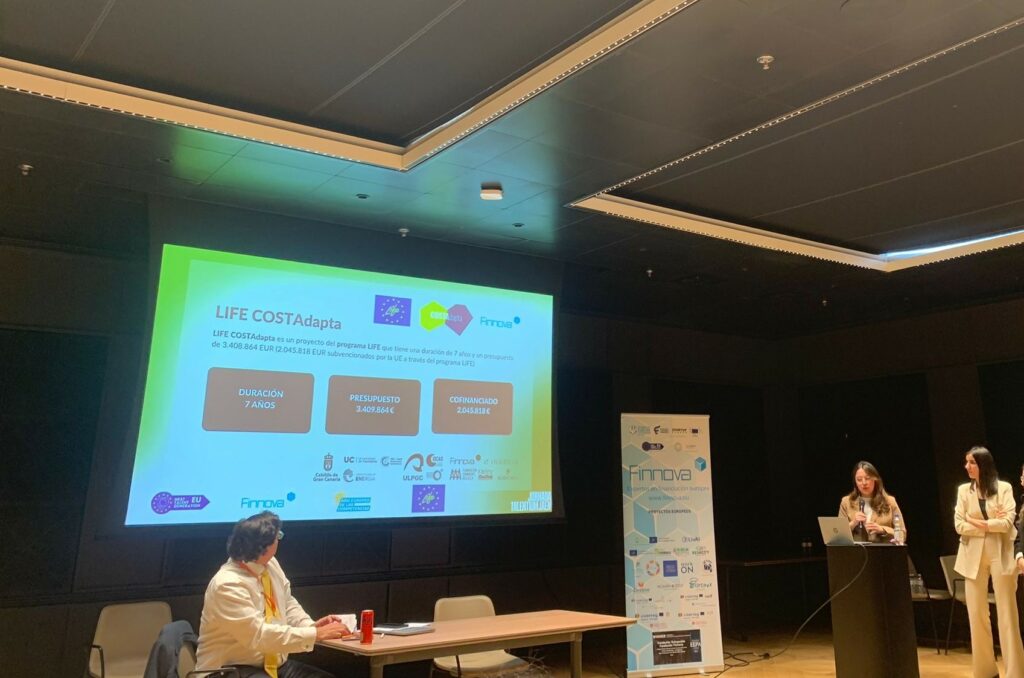
The project, with a duration of 7 years and a total budget of EUR 3,409,864 (EUR 2,045,818 subsidized by the European Union through the LIFE Program), is coordinated by the Gran Canaria Island Energy Council (CIEGC) of the Cabildo de Gran Canaria, with the support of its seven partners.

Categories
News

The LIFE COSTAdapta project, led by the Cabildo de Gran Canaria, at COP 28 in Dubai

  • E-Concrete, one of the partners, has been in charge of taking the project to the largest UN climate summit.
  • LIFE COSTAdapta, which deals with the adaptation of the coast of Gran Canaria to sea level rise, could become a reference and be replicated in those coastal areas that suffer the consequences of strong waves.

The European LIFE Costadapta project, which aims to address the adaptation of the coast of Gran Canaria to sea level rise, is currently present at COP 28, with the support of one of the project partners, E-Concrete. Led by the Council of Gran Canaria, the European project aims to become a benchmark and be replicated in those coastal areas that suffer the consequences of strong waves.

The Canary Islands are in a position of high vulnerability to the impacts of climate change, as pointed out by the Intergovernmental Panel on Climate Change (IPCC), showing a significant increase in sea levels affecting its coasts. The main objective of the LIFE COSTAdapta project is to address the adaptation of the coast of Gran Canaria to rising sea levels through an innovative methodology. To this end, a progressive tidal pool-reef system will be designed and tested, combining traditional tidal pool construction techniques with advanced solutions. This will contribute to the progressive adaptation of the coast of Gran Canaria to climate change, crucial given the high vulnerability of the Canary Islands to climate impacts, including sea level rise.

In addition to strengthening the resilience of coastal zones, LIFE COSTAdapta aims to conserve habitats characteristic of these areas and protect the local tourism economy. The project will ensure economic sustainability by providing solutions to flooding and maintaining the region’s tourist attraction, which in turn will support coastal stability.

This project that we are presenting these days in Dubai is particularly important to strengthen the resilience of coastal areas in the face of rising sea levels, and to promote the preservation of the biodiversity characteristic of these areas”, says Àlvar Trabazos Clavería, Project Manager of E-Concret. “In a forum as important as this one, in which climate change is the main protagonist, we are receiving many visits from organisations and individuals who have expressed their interest in this practice that respects the habitat and helps to prevent further erosion on the coast. LIFE COSTAdapta is committed to protecting the environment and promoting sustainable solutions” he adds.

With a duration of 7 years and a total budget of 3,409,864 EUR (2,045,818 EUR subsidised by the EU through the LIFE Programme), COSTAdapta is a project coordinated by the Gran Canaria Island Energy Council (CIEGC) of the Cabildo de Gran Canaria with the support of 7 partners: University of Las Palmas de Gran Canaria (ULPGC); University of Cantabria (UC); INGECID, Research and Project Development; Raley Estudios Costeros S. C.P.; ECOncrete AQUA; Fundación Canaria para el Reciclaje y Desarrollo Sostenible (FCR) and Fundación Finnova.
About the Gran Canaria Island Energy Council (CIEGC)

The Consejo Insular de la Energía de Gran Canaria (CIEGC) is a public business entity of the Cabildo de Gran Canaria whose mission is to implement an alternative energy model based on renewable energies and energy efficiency. The CIEGC manages subsidies, promotes electric mobility, trains professionals and citizens, and promotes research and innovation in the energy sector.

About ECOncrete (www.econcretetech.com)

ECOncrete is an initiative focused on innovation in sustainable marine and coastal infrastructures. Through the application of advanced technologies and materials, ECOncrete seeks to mitigate the negative impacts of human constructions on aquatic and marine ecosystems. The initiative is based on ecological design principles and collaborates with experts in marine biology and other disciplines to achieve solutions that promote biodiversity and coastal resilience. In LIFE COSTAdapta, it is responsible for the design, implementation and monitoring of the project.

About the University of Las Palmas de Gran Canaria (ULPGC)

The University of Las Palmas de Gran Canaria (ULPGC) is a higher education institution located on the island of Gran Canaria, Spain. Founded in 1989, the ULPGC has established itself as a centre of academic excellence especially in disciplines such as natural sciences and technology. The university strives to promote research, innovation and international collaboration to contribute to the development of society and the region.

About the University of Cantabria (UC)

The University of Cantabria (UC) is an academic institution of higher education located in Cantabria, Spain. Founded in 1972, the UC stands out for its commitment to quality education and cutting-edge research. Research plays a fundamental role at UC, with approaches in various disciplines and interdisciplinary collaborations. The university aims to contribute to the advancement of knowledge and sustainable development in the region and globally.

 About INGECID, Research and Project Development (www.ingecid.es)

INGECID is a company dedicated to research and project development. Its focus encompasses areas such as engineering, architecture and sustainability. Through its expertise in innovative projects, INGECID seeks to generate creative and efficient solutions to technical and environmental challenges. Its commitment to research and development contributes to the improvement of processes and technologies in the project.

About Raley Estudios Costeros S.C.P. (www.raleyestudioscosteros.com)

Raley Estudios Costeros S.C.P. is a company specialised in providing studies and analysis related to coastal areas. Through detailed research, it seeks to understand and identify coastal dynamics, environmental impacts and possible solutions for the sustainable management of coastal areas. Its expertise contributes to informed decision-making for coastal projects and development.

About the Canarian Foundation for Recycling and Sustainable Development (FCR)

The Canary Islands Foundation for Recycling and Sustainable Development (FCR) is an organisation committed to the promotion of recycling and the adoption of sustainable practices in the Canary Islands. Through education, awareness-raising and collaboration with different sectors, the FCR seeks to promote waste reduction and the conservation of the natural environment. Its work contributes to the protection of the environment and the promotion of a more responsible mentality in the Canarian community. In the project, it provides the socio-economic vision for the implementation of LIFE COSTAdapta.

About the Finnova Foundation (www.finnova.eu)

Finnova is the Spanish-Belgian non-profit foundation based in Brussels and Spain, working for the promotion and development of innovation and entrepreneurship in the EU. Finnova’s experience in leading communication and dissemination activities of European projects, being the lead entity of Interreg projects, is combined with a solid proven track record in business creation and entrepreneurship support programmes, such as accelerators, incubators and events, as well as its commitment to training and employability of young people. It role in LIFE COSTAdapta is to support the management of the project and to lead the communication and dissemination of its results.

Further information:

Patricia Cavanillas

patricia.cavanillas@finnova.eu

+34 667 466 384

Categories
News

LIFE COSTAdapta welcomes the approval of the provisional agreement on a new EU Environmental Crime Directive

  • The European Union has become the first international body to criminalise wide-scale environmental damage «comparable to ecocide»
  • The European LIFE COSTAdapta project supports the new European Directive against eco-crimes.

Brussels, 30 November 2023. The Council presidency and European Parliament negotiators reached on last Thursday November 16 a preliminary agreement on a proposed EU law that would improve the investigation and prosecution of environmental crime offences. The European COSTAdapta project, which advocates the progressive adaptation of the coast of Gran Canaria to climate change, values very positively this measure that will help to preserve the environment.

The directive defines environmental crime more precisely and adds new types of environmental criminal offences, replacing the previous 2008 directive, which has become obsolete in the face of developments in EU environmental law. It also harmonises the level of penalties for natural persons and, for the first time, for legal persons across all EU member states.

The Council and European Parliament agreed to increase the number of offences that currently exist under EU criminal law from 9 to 18. This broadens and clarifies the type of conduct that is prohibited because it harms the environment. The new offences include timber trafficking, which is a major cause of deforestation in some parts of the world, the illegal recycling of polluting components of ships and serious breaches of legislation on chemicals.

In addition, member states will have to ensure that training is provided for those working to detect, investigate and prosecute environmental crime, such as judges, prosecutors and police authorities. EU countries will also need to make sure that these authorities have adequate resources – for instance in terms of the number of qualified staff and the financial resources to carry out their functions under the directive. The directive also contains provisions on support and assistance to persons reporting environmental crime, environmental defenders and persons affected by these crimes.

The agreement still needs to be confirmed by both institutions before going through the formal adoption procedure.

The LIFE COSTAdapta project, aligns with environmental protection

LIFE COSTAdapta, as a project committed to sustainable development by adapting the coast of Gran Canaria to rising sea levels due to climate change through an innovative and progressive tidal pool-reef system, is aligned with environmental protection.

About LIFE COSTAdapta

LIFE COSTAdapta project aims to address the adaptation of the coast of Gran Canaria to sea-level rise through an innovative methodology. To achieve this, a progressive system of Tidal pool-reefs will be designed and tested, combining traditional tidal pool construction techniques with advanced solutions.

This will contribute to the gradual adaptation of the Gran Canaria coast to climate change, which is crucial given the high vulnerability of the Canary Islands to climate impacts, including sea-level rise. In addition to strengthening the resilience of coastal areas, LIFE COSTAdapta seeks to preserve the characteristic habitats of these areas and protect the local tourist economy. The project will ensure economic sustainability by providing solutions against flooding and maintaining the region’s tourist appeal, which in turn will favor coastal stability.

The project, with a duration of 7 years and a total budget of 3,409,864 EUR (2,045,818 EUR subsidized by the European Union through the LIFE Program), is coordinated by Consejo Insular de Energía de Gran Canaria (CIEGC) by the Cabildo de Gran Canaria, with the support of its seven partners.

Categories
News

Ways in which LIFE COSTAdapta will strengthen the biosphere reserves on the coast of Gran Canaria

Brussels, November 3rd, 2023. Did you know that in 2005, UNESCO’s Man and the Biosphere Programme (MAB) granted the seal of Biosphere Reserve to the island of Gran Canaria?

This recognition highlights the island’s environmental quality and diversity, as nearly half of Gran Canaria’s geographic space (around 43%) was included under this seal.

Areas that comprise the Gran Canaria Biosphere Reserve. Source: Web oficial de Turismo de Gran Canaria

The island’s continual effort to maintain a balance between environmental preservation and economic and social progress, promoting sustainable measures and harmonious integration between the population and nature, stands as an example of good practices aligned with the 2030 Agenda and the European Green Deal.

Biosphere reserves represent one of the main pillars of UNESCO’s mission as a United Nations agency dedicated to science. Each biosphere reserve fosters innovative local solutions aimed at conserving biodiversity, protecting ecosystems, addressing climate change, while simultaneously seeking to improve the livelihoods of the population and engaging them in raising awareness.

In this regard, the European project LIFE COSTAdapta fully aligns with these goals, as through its Tidal pool-reefs system, it presents a sustainable solution that will strengthen coastal resilience against climate change, favoring marine diversity and reinforcing coastal geodiversity.

Furthermore, this initiative seeks to promote sustainable tourism, attracting visitors interested in biodiversity and raising local awareness about environmental conservation.

As part of the European Union’s LIFE programme, our project aims to drive research and innovation, collaborating with partners and experts to transfer this methodology to other coastal regions facing similar challenges.

Today, on the International Day for Biosphere Reserves, we reaffirm our commitment to benefit the protection of marine biosphere reserves and their surroundings.

About LIFE COSTAdapta

LIFE COSTAdapta project aims to address the adaptation of the coast of Gran Canaria to sea-level rise through an innovative methodology. To achieve this, a progressive system of Tidal pool-reefs will be designed and tested, combining traditional tidal pool construction techniques with advanced solutions.

This will contribute to the gradual adaptation of the Gran Canaria coast to climate change, which is crucial given the high vulnerability of the Canary Islands to climate impacts, including sea-level rise. In addition to strengthening the resilience of coastal areas, LIFE COSTAdapta seeks to preserve the characteristic habitats of these areas and protect the local tourist economy. The project will ensure economic sustainability by providing solutions against flooding and maintaining the region’s tourist appeal, which in turn will favor coastal stability.

The project, with a duration of 7 years and a total budget of 3,409,864 EUR (2,045,818 EUR subsidized by the European Union through the LIFE Program), is coordinated by Consejo Insular de Energía de Gran Canaria (CIEGC) by the Cabildo de Gran Canaria, with the support of its seven partners.

Categories
News

LIFE COSTAdapta promotes ecological practices on coasts

Brussels, November 1st, 2023. Today, Wednesday, November 1st, from the European project LIFE COSTAdapta, we join the global community in commemorating World Ecology Day. This significant occasion aims to raise awareness and sensitize people to the necessity of preserving the environment and promoting ecological actions that contribute to the health of our planet. Through the celebration of this day, we pay tribute to ecology as a scientific discipline and acknowledge the work of ecological professionals.

What is the role of ecology?

Ecology studies the relationships between living beings and the environment that surrounds them, although its focus is not exclusively limited to the study of green areas. It carries out activities and actions that contribute to the sustainability of the environment and the planet, with the goal of improving the quality of life for both humans and their surroundings.

Through ecology, the importance of carrying out actions in harmony with the environment to favor the planet’s biodiversity is promoted. Some examples of these actions include optimizing production, consumption, and services based on ecological criteria, managing generated waste, and conserving water, among other practices.

The pioneering LIFE COSTAdapta system provides advantages to coastal ecosystems

The LIFE COSTAdapta project proposes an integrated ecological solution to strengthen coastal resilience against climate change by creating Tidal pool-reefs. These reefs will not only protect against coastal erosion by quieting waves and currents but also promote ecotourism by attracting visitors interested in sustainability, coastal nature, and the unique local biodiversity of Gran Canarias.

Moreover, the project aims to raise awareness among the community and visitors about the significance of conservation, adding value to local ecological understanding. Furthermore, it focuses on encouraging innovation and research to establish collaborations that can replicate this solution in other coastal regions facing similar challenges, thereby promoting the continuous improvement of this approach through partnerships with experts and public-private collaborations.

About LIFE COSTAdapta

LIFE COSTAdapta project aims to address the adaptation of the coast of Gran Canaria to sea-level rise through an innovative methodology. To achieve this, a progressive system of Tidal pool-reefs will be designed and tested, combining traditional tidal pool construction techniques with advanced solutions.

This will contribute to the gradual adaptation of the Gran Canaria coast to climate change, which is crucial given the high vulnerability of the Canary Islands to climate impacts, including sea-level rise. In addition to strengthening the resilience of coastal areas, LIFE COSTAdapta seeks to preserve the characteristic habitats of these areas and protect the local tourist economy. The project will ensure economic sustainability by providing solutions against flooding and maintaining the region’s tourist appeal, which in turn will favor coastal stability.

The project, with a duration of 7 years and a total budget of 3,409,864 EUR (2,045,818 EUR subsidized by the European Union through the LIFE Program), is coordinated by Consejo Insular de Energía de Gran Canaria (CIEGC) by the Cabildo de Gran Canaria, with the support of its seven partners.

Categories
News

The European project LIFE COSTAdapta plays a crucial role in introducing new climate change adaptation measures

24/10/2023, Brussels. Today, Tuesday, October 24th, we celebrate International Day against Climate Change to raise awareness about the harmful and devastating effects of climate change on the planet. This commemoration is driven by the United Nations (UN) as an initiative advocating for the generation of actions to counteract climate change.

Climate change involves the global variation of the Earth’s climate and temperature, primarily caused by natural factors over the long term. Over the past century, pollution generated by human activity has accelerated this process at an alarming rate due to the emission of greenhouse gases produced by factors such as the burning of fossil fuels, land use, energy consumption, and industrial activities.

These gases lead to an increase in temperatures, giving rise to the phenomenon of global warming, which is the main driver of climate change. Some of the global effects include rising average temperatures, sea level rise, Arctic ice melting, and an increase in extreme weather events such as droughts, wildfires, water shortages, and floods, among others.

LIFE COSTAdapta addresses the adaptation of the coast of Gran Canaria to sea level rise through an innovative methodology. To this end, the objective is to design and test an innovative and progressive Tidal pool-reef system, which uses, partially, the traditional technique of tidal pool construction, common elements in the Canary Islands and the rest of Macaronesia, for the coastal adaptation of Gran Canaria to climate change. The project, which has a duration of 7 years and a total budget of 3,409,864 EUR, is coordinated by the Consejo Insular de Energía de Gran Canaria (CIEGC) of the Cabildo de Gran Canaria with the support of 7 partners: Universidad de Las Palmas de Gran Canaria (ULPGC); Universidad de Cantabria (UC); INGECID S.L.; Raley Estudios Costeros S.C.P.; ECOncrete AQUA; Fundación Canar.  

Categories
News

LIFE COSTAdapta aims to reduce the risk of coastal floods and erosion

Brussels, October 13, 2023. Today, International Day for Disaster Risk Reduction, we recall that the rising sea level, caused by global warming, is one of the most serious threats posed by climate change in coastal areas.

According to a recent study by the Spanish Institute of Oceanography (IEO-CSIC), in collaboration with the Mediterranean Institute for Advanced Studies (IMEDEA), the rate at which the sea level is rising in Spain, with its 8,000 kilometers of coastline, has doubled in the past 20 years. Since 1993, the sea level has been increasing at an average rate of 2.8 millimeters per year. This phenomenon is impacting the risk of beach erosion and, consequently, poses a threat to the country’s primary economic resource: tourism. But it’s not just that; it also presents a looming risk to the safety of coastal communities.

The climate change report presented by the Spanish government in 2021 projects a worrisome scenario in which it is estimated that the flooding levels in some coastal areas of the country could increase by 8% by the year 2040. This increase would be 6% in the Canary Islands and range between 2% and 3% along the rest of the Mediterranean coast. The study warns of the risk of suffering million-euros damages from flooding in the most exposed coastal cities.


LIFE COSTAdapta’s proposal for adapting and strengthening the coastlines of Gran Canaria against climate change

LIFE COSTAdapta project aims to address the adaptation of the coast of Gran Canaria to sea-level rise through an innovative methodology. To achieve this, a progressive system of tidal pool-reefs will be designed and tested, combining traditional tidal pool construction techniques with advanced solutions.

This will contribute to the gradual adaptation of the Gran Canaria coast to climate change, which is crucial given the high vulnerability of the Canary Islands to climate impacts, including sea-level rise. In addition to strengthening the resilience of coastal areas, LIFE COSTAdapta seeks to preserve the characteristic habitats of these areas and protect the local tourist economy. The project will ensure economic sustainability by providing solutions against flooding and maintaining the region’s tourist appeal, which in turn will favor coastal stability.

The project, with a duration of 7 years and a total budget of 3,409,864 EUR (2,045,818 EUR subsidized by the European Union through the LIFE Program), is coordinated by Consejo Insular de Energía de Gran Canaria (CIEGC) by the Cabildo de Gran Canaria, with the support of its seven partners.

Categories
News

Three ways in which LIFE COSTAdapta will contribute to strengthening coastal geodiversity

Brussels, October 6, 2023. On International Geodiversity Day, from LIFE COSTAdapta, we share three ways in which our European project, specifically designed to address the challenges associated with climate change and adapt the coastlines of Gran Canaria to its effects, can promote the strengthening of coastal geodiversity with its innovative method of Tidal pool-reefs.

Coastal habitats benefit from the innovative system of LIFE COSTAdapta

The sustainable solution of LIFE COSTAdapta will contribute to coastal resilience against climate change by creating Tidal pool-reefs with the potential to provide shelter and food for various marine species, thus strengthening coastal geodiversity. But that’s not all; this European project aims to introduce a multi-channel methodology that, collectively, will support the ecological transition of the area in various ways:

  1. Mitigating coastal erosion

Tidal pool-reefs will help mitigate coastal erosion by calming the force of waves and currents. This will protect the coastline and the health of nearby natural habitats, enhancing the resilience of coastal geodiversity against the effects of climate change and human activity.

  • Promoting ecotourism

These artificial structures will offer a unique coastal environment, attracting visitors interested in the characteristic biodiversity of these areas. Moreover, it aims to position itself as an effective tool for engaging the local community and visitors in awareness and conservation activities, thereby adding value to social awareness regarding local sustainability and environmental care.

  • Encouraging innovation and research

As a project within the European LIFE program, one of the main priorities of the consortium comprising 8 partners will be to establish synergies and collaborations to ensure the continuity and possible transfer of this approach for the benefit of other coastal regions facing similar challenges. This consortium, supported by experts and allied with public-private initiatives, will promote research and innovation with the constant aim of improving this approach.

About LIFE COSTAdapta

LIFE COSTAdapta project aims to address the adaptation of the coast of Gran Canaria to sea-level rise through an innovative methodology. To achieve this, a progressive system of Tidal pool-reefs will be designed and tested, combining traditional tidal pool construction techniques with advanced solutions.

This will contribute to the gradual adaptation of the Gran Canaria coast to climate change, which is crucial given the high vulnerability of the Canary Islands to climate impacts, including sea-level rise. In addition to strengthening the resilience of coastal areas, LIFE COSTAdapta seeks to preserve the characteristic habitats of these areas and protect the local tourist economy. The project will ensure economic sustainability by providing solutions against flooding and maintaining the region’s tourist appeal, which in turn will favor coastal stability.

The project, with a duration of 7 years and a total budget of 3,409,864 EUR (2,045,818 EUR subsidized by the European Union through the LIFE Program), is coordinated by Consejo Insular de Energía de Gran Canaria (CIEGC) by the Cabildo de Gran Canaria, with the support of its seven partners.

Categories
News

The design of an innovative and progressive tidal pool-reef system proposed by LIFE COSTAdapta will enhance biodiversity

  • World Habitat Day is celebrated today to promote awareness of urban habitat issues and the importance of a liveable and sustainable environment.

Today, 2 October, coinciding with the first Monday of this month, is World Habitat Day 2023, the perfect occasion to highlight the state of many habitats on the planet. The day was established by the United Nations to promote awareness of urban habitat issues and the importance of a liveable and sustainable environment. World Habitat Day focuses on highlighting the need to address issues such as adequate urban planning, access to decent housing, sustainable transport, natural resource management in urban areas and the promotion of more inclusive and equitable communities.

The loss of natural habitats often leads to the extinction of species that depend on those ecosystems for their survival. Natural habitats are home to a unique variety of flora and fauna, and when they disappear, the species that once inhabited them may be threatened with extinction. The degradation or disappearance of a habitat forces species to seek new places to live and feed. This can lead to forced migration of animals, which can result in conflicts with other species and competition for limited resources. Many human communities depend on natural habitats for resources such as food, medicines and building materials. The disappearance of these ecosystems can lead to shortages of essential resources, negatively affecting people’s livelihoods. The loss of natural habitats can also have a significant economic impact. Ecosystem degradation can affect industries related to tourism, fisheries and agriculture, which in turn can affect the economic stability of a region.

The main objective of the LIFE COSTAdapta project is to adapt island and outermost territories to climate change, enhance biodiversity and maintain the compatibility of residential use and the environment. LIFE COSTAdapta will develop adaptation measures through natural and mixed actions, focused on integration and improvement, both with the natural environment and with the enhancement of cultural elements. To this end, it plans actions to adapt to rising sea levels through the design and testing of an innovative and progressive tidal pool-reef system, which partially uses the traditional technique of building tidal pools, common elements in the Canary Islands and the rest of Macaronesia, for the coastal adaptation of Gran Canaria to climate change.

The development and design of these prototypes with a holistic vision of adaptation to sea level rise, increases its benefits and promotes a solution (blue infrastructure) that encompasses crucial factors in the resilience and quality of life of coastal areas: reduction of the flooding surface, reduction in the height of the sheet of water, adaptability to changing circumstances (modular measures of progressive increase), systems for the creation of marine habitats, creation of places of social enjoyment with easy accessibility, increase of economic activities, improvement of degraded areas, among others.

Categories
News

LIFE COSTAdapta adapts Gran Canaria’s coasts to climate change while promoting tourism

Brussels, September 27, 2023. In commemoration of World Tourism Day 2023, LIFE COSTAdapta is committed to implementing innovative measures to promote sustainable tourism. Recognizing the significant influence that tourism wields as a driver for sustainable progress in coastal regions throughout Europe, we present a comprehensive approach that encompasses climate change adaptation, the promotion of sustainable practices, community engagement, and biodiversity conservation.

The primary purpose of our project is to strengthen tourism sustainability and resilience along the coastlines affected by climate change. This initiative represents a step forward in promoting an eco-friendly tourism industry and the preservation of the environment, in perfect harmony with this year’s World Tourism Day theme: “Tourism and Green Investments.”

LIFE COSTAdapta aims to become a transferable model for sustainable development in coastal tourism areas while actively addressing the impacts of climate change. Given the fundamental role of tourism in fostering economic growth and cultural exchange, our project strives to strike a balance between the benefits of tourism and the preservation of valuable natural resources, such as biodiversity and water.

Stay tuned to our updates to gain an in-depth understanding of the details of our technique.

About World Tourism Day

World Tourism Day, celebrated annually on September 27th, is a United Nations observance that highlights the importance of tourism as a catalyst for inclusive economic growth and sustainable development. Each year, it focuses on different themes to shed light on critical aspects of the tourism industry and its impact on society and the environment.

About LIFE COSTAdapta

LIFE COSTAdapta project aims to address the adaptation of the coast of Gran Canaria to sea-level rise through an innovative methodology. To achieve this, a progressive system of tidal pool-reefs will be designed and tested, combining traditional tidal pool construction techniques with advanced solutions.

This will contribute to the gradual adaptation of the Gran Canaria coast to climate change, which is crucial given the high vulnerability of the Canary Islands to climate impacts, including sea-level rise. In addition to strengthening the resilience of coastal areas, LIFE COSTAdapta seeks to preserve the characteristic habitats of these areas and protect the local tourist economy. The project will ensure economic sustainability by providing solutions against flooding and maintaining the region’s tourist appeal, which in turn will favor coastal stability.

The project, with a duration of 7 years and a total budget of 3,409,864 EUR (2,045,818 EUR subsidized by the European Union through the LIFE Program), is coordinated by Consejo Insular de Energía de Gran Canaria (CIEGC) by the Cabildo de Gran Canaria, with the support of its seven partners.